How to write a UGC brief creators can film in one take
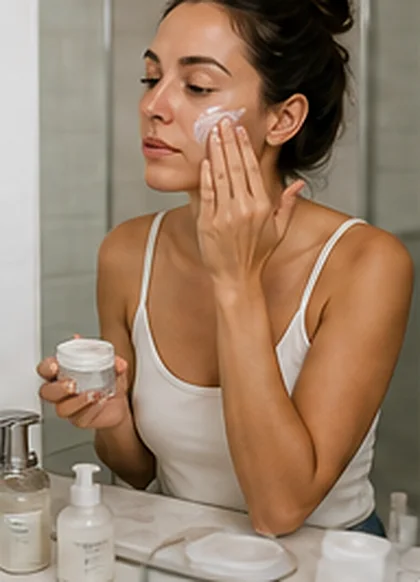 0:24
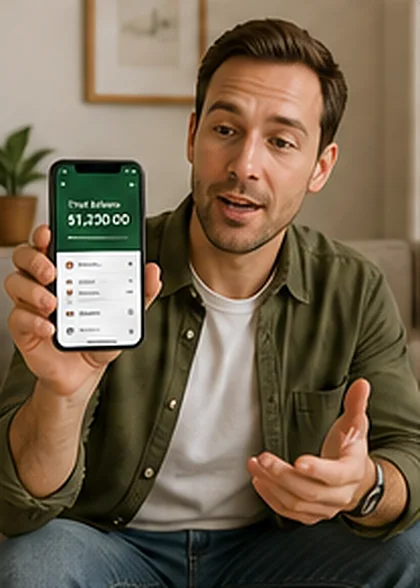 0:31
 0:18
To write a UGC brief, put everything a creator needs on one screen: who the viewer is, the single problem the product solves, three to five hook options for the first 3 seconds, script beats instead of a full script, a shot list, mandatory and banned claims, formats and usage rights. A brief like that lets a creator film in one take without guessing, and it gives brands and agencies videos they can test as ads the same week. The template below is ready to copy.
To write a UGC brief, put everything a creator needs on one screen: who the viewer is, the single problem the product solves, three to five hook options for the first 3 seconds, script beats instead of a full script, a shot list, mandatory and banned claims, formats and usage rights. A brief like that lets a creator film in one take without guessing, and it gives brands and agencies videos they can test as ads the same week. The template below is ready to copy.
Why most UGC briefs produce generic videos
Most weak UGC is not the creator's fault. It comes from briefs that are either too vague or too rigid. A vague brief says "show the product and say why you love it", and every creator films the same unboxing. A rigid brief hands over a word for word script, and the creator reads it like a hostage statement. Neither works on paid social, where the viewer decides in the first seconds whether to keep watching.
A good brief sits in the middle. It is precise about the outcome, the hook, the claims and the shots, and it leaves the delivery to the creator. Common problems to avoid:
- Brand guidelines pasted in full, with the actual ask buried on page four.
- No hook options, so the video opens on a slow intro.
- Five key messages instead of one, so nothing lands.
- No mention of formats, so the brand gets a horizontal video for a vertical placement.
- Usage rights left for later, which turns into a negotiation after filming.
Start with one viewer and one problem
Write one sentence about the person watching and the moment they are in. Not a demographic, a situation. "A runner who gets blisters on long runs and has already tried three kinds of socks" gives a creator far more to work with than "women 25 to 44 interested in fitness".
Then write one sentence on the problem the product solves for that person, and one sentence on why it works. That is the whole message. Everything else in the video either supports it or gets cut.
- Viewer, the situation they are in and what they have already tried.
- Problem, in the words the viewer would use.
- Proof, the one reason the product actually solves it.
- Offer, the exact deal on the landing page.
Write hook options for the first 3 seconds
The hook is the most important line in the brief. On TikTok, Reels and Meta feeds, the first 3 seconds decide whether the rest of the video gets watched at all. Give creators three to five options and ask them to film each as a separate take, so you can test them against the same body later.
- Problem hooks that state the pain directly, such as "My feet were wrecked after every long run."
- Result hooks that open on the outcome, such as showing the finished look before the routine.
- Objection hooks that address doubt, such as "I thought this was another gimmick."
- Curiosity hooks that open a loop the video closes.
- Visual hooks, where the first frame does the work with a striking demo or a before and after.
Ask for on screen text that repeats the hook, because many viewers watch without sound. The brief builder in UgcProduction drafts AI hooks from your product page and offer, and you keep the ones that fit your voice.
Use script beats, not a word for word script
Script beats tell the creator what each part of the video must achieve and roughly how long it should take. The creator then says it in their own words, which is what makes UGC feel like UGC. A typical beat structure for a 30 second ad:
- Hook, 0 to 3 seconds, one of the options above.
- Problem, 3 to 8 seconds, what life looked like before.
- Product, 8 to 18 seconds, the product in hand and the one reason it works.
- Proof, 18 to 25 seconds, a demo, result or honest reaction.
- Call to action, 25 to 30 seconds, what to do next and the offer.
Mark which lines are fixed, such as the offer wording or a regulated claim, and which are free. Keep the fixed list short.
Add a shot list the creator can tick off
A shot list removes guesswork from the shoot and gives your editor material for variants. Keep it short and concrete, written as shots the creator can tick off one by one.
- Talking head, vertical, eye level, natural light facing the creator.
- Product in hand, close enough to read the label.
- Close up of the key detail, such as texture, the app screen or the fit.
- The product in real use, in the setting where the viewer would use it.
- A clean final frame with the product visible, for the call to action.
- B roll of three to five seconds each for the editor to cut in.
If you need several aspect ratios, say so. Filming vertical with space around the subject lets an editor export 9:16, 4:5 and 1:1 from one take.
Spell out claims, formats and usage rights before filming
The last part of the brief covers the things that cause rework when they are missing. Write them as plain lists, not paragraphs.
- Mandatory claims, such as the offer, disclaimers and required disclosure of the paid partnership.
- Banned claims, such as medical claims, comparisons with named competitors or income promises.
- Deliverables, such as one edited video per hook, raw footage and captions.
- Formats, such as 9:16 for TikTok and Reels and 4:5 for Meta feeds.
- Usage rights, with term, channels, paid usage and whether the ad will run from the creator's handle.
- Timeline, with the shipping date, filming window, first cut deadline and number of revision rounds.
Putting rights in the brief means every quote covers the same package. Our guide to UGC creator rates explains how term, paid usage and raw footage change the price, and Spark Ads and whitelisting covers creator handle permissions.
A UGC brief template you can copy
Copy this structure into your next brief and fill in each line. If a line does not fit on one row, it is probably too long for a creator to remember on camera.
- Brand and product, one line with a link to the product page.
- Campaign goal, one metric, such as cost per purchase on cold traffic.
- Viewer, one sentence on who they are and the situation they are in.
- Problem, one sentence in the viewer's own words.
- Proof, the one reason the product solves it.
- Offer, the exact deal and the landing page.
- Hooks, three to five options, each filmed as a separate take with on screen text.
- Script beats, hook, problem, product, proof and call to action with rough timings.
- Shot list, talking head, product in hand, close up, real use, final frame and b roll.
- Tone, two or three words, such as honest, quick and a little funny.
- Mandatory claims, the offer wording, disclosures and any required disclaimer.
- Banned claims, what must never be said or shown.
- Deliverables, edited videos per hook, raw footage and captions.
- Formats, 9:16, 4:5, 1:1 or 16:9 as needed.
- Usage rights, term, channels, paid usage, whitelisting or Spark Ads permission and exclusivity.
- Timeline, shipping date, filming window, first cut deadline and revision rounds.
- Payment, the agreed rate and when it is paid.
Turn brief results into the next brief
A brief is not a one off document. After the ads run, the results should feed straight back into it. Keep the hooks that won, retire the ones that lost, and note which creator profiles held attention. Paid social creatives tend to fatigue within weeks, so the next brief often reuses a proven body with new hooks rather than starting from zero.
UgcProduction keeps the brief, casting, production board and performance tagging together, so the report of winning hooks and creators sits next to the brief you write next. Read how to run a UGC campaign for the full cycle from brief to whitelisted ad.