UGC for supplements and supplement UGC ads that pass ad review
UGC for supplements is creator video of a real person using a vitamin, protein, greens powder or gummy in a daily routine, built to run as a paid ad. UgcProduction lets supplement brands write the allowed claims into the brief, cast vetted creators by lifestyle and audience, review every cut on the frame and launch licensed supplement UGC ads on Meta, TikTok, YouTube Shorts and Amazon. Claim limits are set before anyone films, so fewer ads get rejected and fewer reshoots eat the budget.
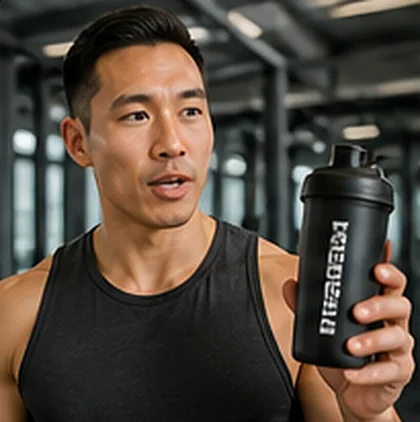 0:28
Hooks for this production
- 1What arrived in the box
- 2Stop scrolling if your skin feels tight
- 3I tried this for 14 days
- 4We built this for busy weeknights
30 second script Shot list
 0:31
Supplement UGC ads live or die on claims
Supplement shoppers want to see a person they trust take the product and talk about how it fits their day. That is why testimonial and routine videos outsell polished brand spots in this category. The catch is that a supplement creator can lose you an ad account with one sentence. "This fixed my anxiety" or "I lost 12 pounds in two weeks" is a disease or weight claim, and Meta and TikTok review health products more closely than almost any other category.
Most rejected supplement ads are not bad creative. They are good creative with a claim nobody checked before the shoot. The fix is to decide what the creator may and may not say before filming, then catch anything that slips through on the exact frame during review.
- Structure and function wording such as "supports", "helps maintain" and "part of my morning routine"
- No promises to treat, cure or prevent a condition, and no specific weight or body results
- Disclosure of the paid relationship on screen and in the caption
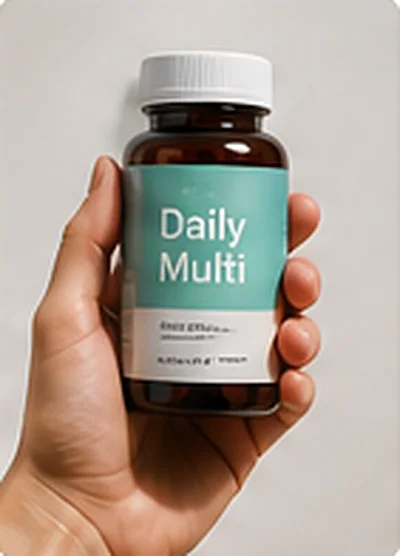 0:24
0:31
How the brief keeps supplement claims compliant
The brief builder writes hooks, script beats and a shot list from your product, audience and angle. For a supplement, the brief also carries two short lists that every creator sees before accepting: claims you may use and claims you must avoid. You paste them from your own legal or regulatory review once, and they ride along with every production for that product.
The FDA allows structure and function statements on dietary supplements, for example that a product supports normal energy levels, as long as the product does not claim to diagnose, treat, cure or prevent a disease and the label carries the standard FDA disclaimer. The FTC expects health claims in ads, including creator testimonials, to be backed by competent and reliable scientific evidence, and its Endorsement Guides require a clear disclosure when a creator is paid or got the product free. Your brief states all of this in plain words, so the creator speaks naturally without crossing the line.
- An allowed claims list, copied from your approved label and marketing copy
- A banned claims list, such as disease names, weight numbers and "doctor recommended" without proof
- On-screen disclosure text for every cut, for example "Paid partnership"
- A note when the FDA disclaimer must appear as a text overlay
 0:24
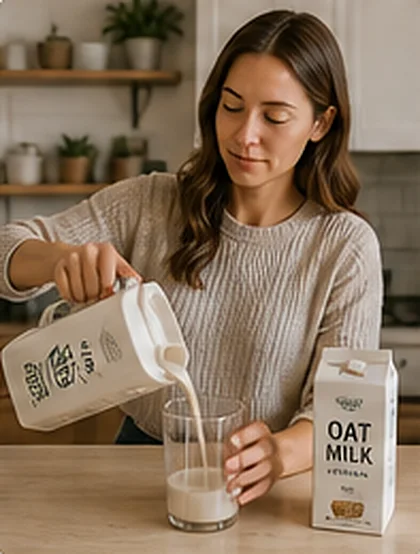 0:31
-
Supplement UGC video formats that convert
Supplement ads work best when the product sits inside a habit. These are the formats supplement brands brief most often on UgcProduction, each with hooks written for the first two seconds.
-
Morning routine and day in the life
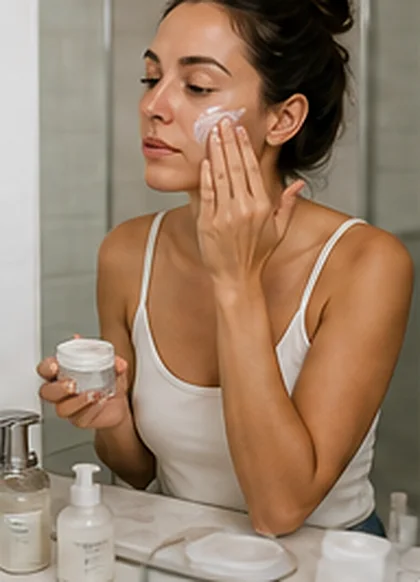
The creator walks through a normal morning and the supplement appears at its natural moment: scooping greens into a shaker, taking a capsule with coffee, adding collagen to a smoothie. It is the safest high performing format because the product is shown, not claimed.
-
Taste test and mix test
Powders and gummies sell on taste and texture. A creator mixing the product in water, oat milk or a smoothie and reacting honestly answers the biggest objection before it is asked. Hook variants test the flavor, the mixability and the price per serving.
-
Founder or expert explainer
A founder, coach or qualified professional explains what is in the product and why the dose was chosen. Credentials go in the casting brief and appear on screen only when they are real. Platform specifics are on the Facebook UGC ads and TikTok UGC agency pages.
-
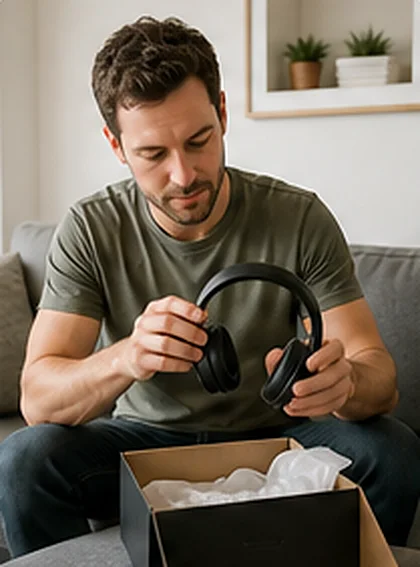
Subscribe and save unboxing
For brands that sell on subscription, an unboxing of the monthly delivery shows the packaging, the serving count and the price logic. It works well on Amazon listings and as a retargeting ad. More listing formats are on the UGC for Amazon page.
Catching a risky claim before it goes live
Creators speak in their own words, which is what makes UGC believable and also what makes it risky. On the production board every cut goes through Review, where your marketer or compliance reviewer leaves a comment on the exact frame where a claim needs to change. The creator re-records only that line, so one bad sentence does not cost a full reshoot. Approved cuts move to Delivered with the claim check recorded against the asset.
- Frame comments for wording, overlays and missing disclosures
- Counted revision rounds, so expectations are clear on both sides
- Roles for a reviewer who approves claims without editing the brief
- Raw footage delivered with the edit, for re-cutting without the risky line
Supplement UGC agency or a production platform
Supplement brands usually choose between a specialist agency, a per-video marketplace and a production platform. Each can work. The difference is who controls the claims and how fast you can replace a fatigued ad.
| Question | Specialist agency | Per-video marketplace | UgcProduction |
|---|---|---|---|
| Who writes the claim limits | The agency, often inside a contract | Usually you, in a free text field | You, as structured lists in every brief |
| How claims get checked | Agency review before delivery | Often after delivery, if at all | Frame comments in the Review stage |
| How you pay | Monthly retainer | Per video, rights often extra | Subscription from 99 USD monthly plus the creator's own rate |
| Usage rights | Set in the agency contract | Varies by order | Licence PDF per asset with term, channels and paid usage |
| Finding winning hooks | When the agency reports | Not included | Performance tagging on Growth and up |
-
Who writes the claim limits
- Specialist agency
- The agency, often inside a contract
- Per-video marketplace
- Usually you, in a free text field
- UgcProduction
- You, as structured lists in every brief
-
How claims get checked
- Specialist agency
- Agency review before delivery
- Per-video marketplace
- Often after delivery, if at all
- UgcProduction
- Frame comments in the Review stage
-
How you pay
- Specialist agency
- Monthly retainer
- Per-video marketplace
- Per video, rights often extra
- UgcProduction
- Subscription from 99 USD monthly plus the creator's own rate
-
Usage rights
- Specialist agency
- Set in the agency contract
- Per-video marketplace
- Varies by order
- UgcProduction
- Licence PDF per asset with term, channels and paid usage
-
Finding winning hooks
- Specialist agency
- When the agency reports
- Per-video marketplace
- Not included
- UgcProduction
- Performance tagging on Growth and up
If you are weighing the agency route, the UGC agency alternative page compares both models in detail.
Licensed supplement creatives you can scale
Supplement ads fatigue quickly because the same audience sees them every day. Each delivered cut carries a licence with the rights term, the channels and any whitelisting or Spark Ads permission, with a reminder before the term ends. Running a creator's video from their own handle is common in health and wellness, and that permission is recorded on Growth and up. On the same plans, performance tagging reads results from Meta and TikTok and ties each ad to its hook, creator and format, so you brief more of the routine or taste test that actually sells. See UGC usage rights and UGC creatives.
 0:24
 0:31
Plans for supplement brands
Starter at 99 USD monthly or 49 USD per month billed yearly suits one supplement brand with 3 active productions and a 12 percent platform fee on creator payouts. Growth at 249 USD monthly or 124 USD per month billed yearly adds 10 active productions, 3 seats, performance tagging, whitelisting and Spark Ads permissions and an 8 percent fee, which fits a brand testing new creatives every week. Brands with several product lines can use Scale for 15 brands or workspaces. All limits are on UGC pricing.
Yes. Supplement brands can run UGC ads on Meta, TikTok, YouTube and Amazon as long as the claims are allowed for dietary supplements and the paid relationship is disclosed. Structure and function wording is generally fine, while disease, cure and specific weight loss claims are restricted or rejected.
A creator can describe their own experience and use structure and function wording that your label already supports, such as supporting normal energy or sleep quality. They should not say the product treats, cures or prevents a condition, and should not promise a specific result or number.
On UgcProduction you pay a subscription from 99 USD monthly, or 49 USD per month billed yearly, plus each creator's own rate held in escrow and a platform fee of 12 to 3 percent depending on the plan. Creators set their rates, so you see the real cost of every video before you approve casting.
A paid creator needs a clear disclosure such as "Paid partnership" or "#ad" under the FTC Endorsement Guides. When an ad repeats a structure and function claim, many brands also add the standard FDA disclaimer as a text overlay, and the brief can require it on every cut.
Before and after imagery for weight or body results is restricted on Meta and TikTok and is a common reason supplement ads get rejected. The brief builder suggests a routine, taste test or energy angle instead, which tests well without the review risk.
Brief your next supplement shoot
Get hooks, a script, a shot list and claim limits for your vitamin, powder or gummy in a minute.