UGC for food brands, beverage UGC and food UGC videos
UGC for food brands puts your product in a real kitchen, lunch break or fridge shelf, with a creator who opens it, prepares it and tells viewers how it tastes. UgcProduction helps US DTC snack, beverage, sauce, coffee, meal kit and pantry brands run monthly creator ad programs. Brief the hook, cast creators who fit your shopper, review specific frames and receive licensed assets tagged by hook. Shoppers see the product in use before they buy. Your team gets food UGC videos it can run on Meta, TikTok and Amazon, with the channels recorded on each asset's license.
 0:28
Format
- Testimonial 15 to 30 seconds
- Problem and solution 15 to 45 seconds
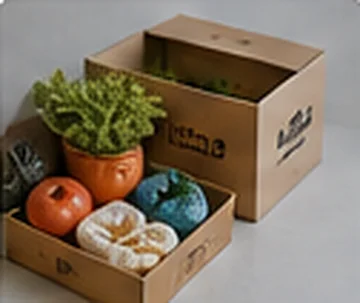
- Unboxing 20 to 40 seconds
- Product demo 30 to 60 seconds
- Before and after 15 to 30 seconds
 0:31
Shoppers cannot taste an ad, so show the moment
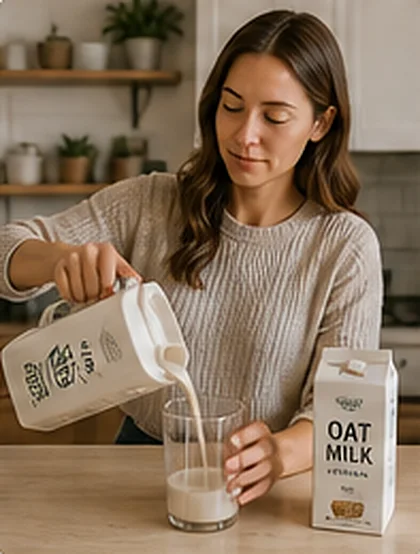
A package photo promises flavor and gives no proof. Food and beverage buyers want to see the pour, hear the crunch and watch a real person react. They also want practical answers. How big is the portion? Does it need a blender? Does it taste like the candy flavor or the real fruit?
Good food UGC answers those questions in the first seconds. The creator shows the unopened product, opens it, prepares it the way the label says and gives an honest reaction. Brief what must be visible and let the reaction be theirs. A scripted rave reads as an ad and invites skepticism.
- Show the packaging, size and flavor name clearly on screen
- Film preparation steps in the order a shopper would do them
- Keep taste comments specific to the creator, not universal promises
 0:24
0:31
Creators who make the product look like part of a day
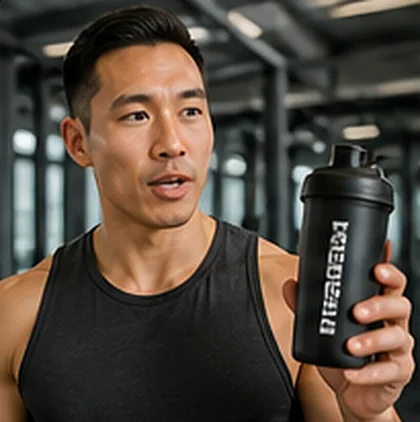
Casting for food is about routine and credibility. A cold brew brand wants someone on a morning commute. A protein snack wants a gym bag. A baby food or pet-safe treat needs the person to be the right buyer. Followers matter less than whether the kitchen, table and voice feel believable to your shopper.
| What to specify | What the creator provides | How it guides the shoot |
|---|---|---|
| Routine | Morning, lunch, post-workout or family dinner setting | Places the product in a moment your shopper recognizes |
| Kitchen access | Stove, blender, grill or none | Matches preparation steps to the footage possible |
| Diet context | Vegan, gluten-free, keto or no restriction, if relevant | Keeps taste and fit comments truthful to the person |
| Household | Single, family, kids at home | Shapes portion and sharing shots |
| Filming | Natural light, steady overhead and close-up audio | Keeps texture, steam and pour visible |
-
Routine
- What the creator provides
- Morning, lunch, post-workout or family dinner setting
- How it guides the shoot
- Places the product in a moment your shopper recognizes
-
Kitchen access
- What the creator provides
- Stove, blender, grill or none
- How it guides the shoot
- Matches preparation steps to the footage possible
-
Diet context
- What the creator provides
- Vegan, gluten-free, keto or no restriction, if relevant
- How it guides the shoot
- Keeps taste and fit comments truthful to the person
-
Household
- What the creator provides
- Single, family, kids at home
- How it guides the shoot
- Shapes portion and sharing shots
-
Filming
- What the creator provides
- Natural light, steady overhead and close-up audio
- How it guides the shoot
- Keeps texture, steam and pour visible
Ask only for what the brief needs, with the creator's agreement. Find applicants through hire UGC creators and judge them on clear food footage, not follower count.
A food video shoppers finish watching
The brief builder writes hooks and a shot list from your product, audience and approved claims. Give it flavors, serving size, preparation steps and anything the label permits you to say.
| Shot | What to capture | Why it matters |
|---|---|---|
| Opening hook | A craving, a problem like a boring lunch, or a flavor question | Gives viewers a reason to stay |
| Unboxing | Package, size and flavor name in frame | Sets expectation before the taste |
| Preparation | Pour, mix, heat or plate, with sound | Shows how easy or involved it really is |
| Close-up | Texture, color, steam or fizz in good light | Makes the product look the way it will arrive |
| First taste | Reaction and one specific sentence about flavor | Carries the buying decision |
| Serving context | Portion next to a hand, a bowl or a glass | Answers how much you actually get |
| Closing line | Who it suits and when they would use it | Ends on a use, not a slogan |
-
Opening hook
- What to capture
- A craving, a problem like a boring lunch, or a flavor question
- Why it matters
- Gives viewers a reason to stay
-
Unboxing
- What to capture
- Package, size and flavor name in frame
- Why it matters
- Sets expectation before the taste
-
Preparation
- What to capture
- Pour, mix, heat or plate, with sound
- Why it matters
- Shows how easy or involved it really is
-
Close-up
- What to capture
- Texture, color, steam or fizz in good light
- Why it matters
- Makes the product look the way it will arrive
-
First taste
- What to capture
- Reaction and one specific sentence about flavor
- Why it matters
- Carries the buying decision
-
Serving context
- What to capture
- Portion next to a hand, a bowl or a glass
- Why it matters
- Answers how much you actually get
-
Closing line
- What to capture
- Who it suits and when they would use it
- Why it matters
- Ends on a use, not a slogan
Request separate close-up footage so one tasting can pair with several openings. Avoid filters that shift color, since shoppers compare the video with the package on arrival.
-
Food UGC formats for different buying questions
Pick the format around what a shopper needs to know. The UGC ad formats page links each format to the footage you request.
-
Taste test
One creator tries the product cold, gives a first reaction and names the flavor notes. Works for snacks, sauces and drinks with several flavors.
-
Recipe and prep
A short cook-along that uses your product as the ingredient. Keep steps few and the product visible. Meal kits and sauces fit here.
-
Unboxing a subscription box
Open the delivery, show what arrived and rank favorites. Useful when the box mix is the selling point.
-
Flavor ranking
The creator lines up every flavor and ranks them with a reason. This gives you one video that answers which flavor to buy first.
-
Pour and fizz
Close audio and a slow pour for beverages. Short, sensory and made for sound-on TikTok and Reels. See TikTok UGC ads for pacing.
From a launch brief to licensed delivery
Food launches run on flavor drops and seasonal windows, so set sample shipping and review dates in the brief. Confirm creator availability before casting.
1. Build the brief. The brief builder writes hooks and a shot list from your product, audience and approved claims. Add flavors, preparation steps and the channels you need.
2. Cast the creators. Creators apply with their own rate. Review their kitchen, footage and availability, then see the rate before approving.
3. Review the frames. Leave feedback on the frame where a flavor name is hidden, a claim needs fixing or a pour is out of shot.
4. Receive licensed delivery. Assets arrive organized by hook, with channels recorded on each license. Your media buyer picks an opening, your ecommerce team picks the prep shot.
Perishable samples need an agreed shipping plan and a clear date, so state both in the brief.
Choosing how to buy food creator content
| Question | UgcProduction | Agency | Per-video marketplace | Gifting or seeding |
|---|---|---|---|---|
| How casting works | Applicants match the brief and submit their rate | Agency roster and process | You pick profiles or offers | Recipients choose whether to post |
| Who defines the shot list | Your brief includes hooks and a shot list | Confirm coverage in the scope | Check what the offer includes | Needs a separate agreement |
| How payment works | Subscription, creator rate in escrow and platform fee | Quote or retainer | Listed price plus extras | Product cost and shipping |
| How review works | Feedback on specific frames | Rounds per contract | Depends on the offer | Needs explicit terms |
| How rights work | License recorded per asset with channels | Check contracted rights | Check usage and add-ons | A gift alone does not grant ad rights |
-
How casting works
- UgcProduction
- Applicants match the brief and submit their rate
- Agency
- Agency roster and process
- Per-video marketplace
- You pick profiles or offers
- Gifting or seeding
- Recipients choose whether to post
-
Who defines the shot list
- UgcProduction
- Your brief includes hooks and a shot list
- Agency
- Confirm coverage in the scope
- Per-video marketplace
- Check what the offer includes
- Gifting or seeding
- Needs a separate agreement
-
How payment works
- UgcProduction
- Subscription, creator rate in escrow and platform fee
- Agency
- Quote or retainer
- Per-video marketplace
- Listed price plus extras
- Gifting or seeding
- Product cost and shipping
-
How review works
- UgcProduction
- Feedback on specific frames
- Agency
- Rounds per contract
- Per-video marketplace
- Depends on the offer
- Gifting or seeding
- Needs explicit terms
-
How rights work
- UgcProduction
- License recorded per asset with channels
- Agency
- Check contracted rights
- Per-video marketplace
- Check usage and add-ons
- Gifting or seeding
- A gift alone does not grant ad rights
Sending free product can start a conversation, but it does not give you a usable video or the right to run it as an ad. Compare another buying model in our Billo alternative guide. If you run dining rooms rather than a packaged product, creator visits work differently, as shown on UGC for restaurants.
Food footage with clear permissions
Food claims are regulated. Keep health and nutrition statements inside what your label and counsel allow, and brief creators to describe their own experience without medical language. Paid relationships need clear FTC disclosure, such as "Paid partnership", in the video and caption.
Specify paid social, product pages and Amazon before filming. Roasters and pod brands can see the brew-specific plan on UGC for coffee brands. A license for one channel is not permission for every placement. UgcProduction records the license per asset with its channels. Read UGC usage rights when you set terms and creative testing to tie each hook to its results. Keep licensed music only where the permission covers your use.
 0:24
0:31
Plan the full production cost
The subscription starts at 99 USD monthly, or 49 USD per month billed yearly. Add each creator's own rate, held in escrow, and a platform fee of 12 to 3 percent depending on the plan. You see the rate before approving casting. Budget for samples and shipping separately.
Food UGC on UgcProduction starts at 99 USD monthly, or 49 USD per month billed yearly, plus each creator's own rate held in escrow and a platform fee of 12 to 3 percent depending on the plan. Creators set their rates, and you see them before approving casting. Samples and shipping are separate.
Taste tests, flavor rankings, prep videos and pour shots work best because they show the product in use with a real reaction. Pick the format around the question your shopper asks before buying, such as flavor, portion or ease of preparation, and brief that shot clearly.
No, food UGC creators do not need a large following to make paid ads or product page videos. Your ad budget supplies the audience. Choose creators for believable routine, clear food footage and honest reactions, rather than follower counts.
Yes, you can use UGC food videos in paid ads and on Amazon when the asset's license covers those channels and the content meets their rules. UgcProduction records channels and end dates per asset. Confirm placements before you commission the footage.
Keep claims inside what your label and legal review allow. Brief creators to describe their own experience, such as taste and texture, and to avoid medical or weight-loss language. Review the footage frame by frame before the asset is approved and licensed for ads.
Brief your next food shoot
Start with the question shoppers ask before they add a flavor to the cart. Build the hooks, cast creators who can answer it and plan footage for the channels you use.