UGC ecommerce production for product pages and paid social
UGC ecommerce production means getting creator videos of your products made for paid social ads and product pages, on a steady cadence and with clear usage rights. UgcProduction lets online stores brief a product, cast vetted creators, ship units to them and receive edited cuts for TikTok, Meta, YouTube Shorts and product pages in one board. The result is a stream of fresh, licensed creatives you can test and scale.
 0:28
Performance tags
-
Stop scrolling if your skin feels tight
Creator A, Problem and solution Scaling
-
I tried this for 14 days
Creator B, Testimonial Testing
-
What arrived in the box
Creator C, Unboxing Paused
 0:31
UGC ecommerce ads that keep up with creative fatigue
Online stores live on paid social, and paid social creatives tend to fatigue within weeks. A product that sold well on one hook needs new hooks, new faces and new formats to keep the same audience watching. Creator videos also do a second job on the product page, where shoppers want to see the item in real hands before they buy. UgcProduction treats both jobs as one production: the same shoot gives you vertical ads for social and clean demo cuts for the store.
- Hooks, testimonials, unboxings and product demos from one brief
- 9:16 and 4:5 cuts for Reels, TikTok and Feed, 1:1 and 16:9 for product pages
- Captions and hook swaps as variants, so one shoot feeds several tests
 0:24
0:31
-
Supplements UGC with claims kept in line
Supplement ads work when a real person shows the routine: the scoop, the shaker, the morning habit. They also carry the highest claim risk, since ad platforms restrict health claims and before and after imagery in many cases. The brief builder writes hooks around routine, taste and convenience, and the brief lists the claims a creator must not make, so cuts pass review without rework.
-
Apparel UGC that shows fit and fabric
Apparel buyers want to see fit, stretch and how a piece looks on different bodies. Briefs for clothing ask for try-on sequences, close shots of fabric and a mirror or walk shot, and casting filters creators by body type, style and setting. Returns often come from fit doubts, and honest try-on videos answer those doubts on the product page.
-
Food and drink UGC with taste on camera
Food and drink ads sell on texture, sound and the first bite. Shot lists for this category ask for pour shots, unpacking, preparation and a genuine reaction, filmed in a kitchen or on the go. The Shipping product stage on the board tracks delivery so perishable items reach the creator on time.
-
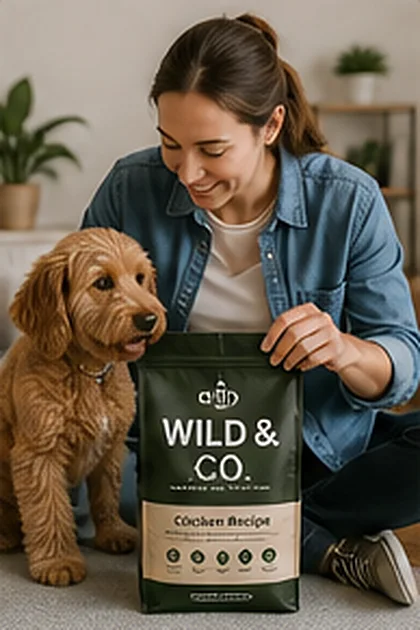
Pet product UGC filmed with real pets
Pet owners trust videos of real animals using the product. Casting filters creators who have the right kind of pet, and the brief allows extra takes, since animals rarely perform on cue. Unboxing and first use formats work well for treats, toys and accessories.
-
Home and kitchen UGC that proves the product works
Home and kitchen products sell on demonstration. Problem and solution scripts show the mess, the gadget and the result, and product demo shots cover setup, use and cleaning. These cuts double as product page videos for marketplace listings, covered on the UGC for Amazon page.
How UGC ecommerce production runs in one board
You start with a product name or a product page URL, the platform where the ad will run and a format. The brief builder writes ten hooks, a 30 second script with beats and on-screen text, and a shot list. You invite creators from the vetted marketplace or open casting, pick a shortlist and ship product to the people you book. Footage comes back to Review, where you leave comments on exact frames and request a revision round if needed. Approved cuts move to Delivered with their licence. The full flow is described on the UGC services page.
- Brief, Casting, Shipping product, Filming, Review, Revisions, Approved, Delivered
- Escrow payout to the creator only after you approve
- One invoice trail for finance
Usage rights and performance data for store ads
Every asset carries a licence with the term, the channels and any whitelisting or Spark Ads permission, plus reminders before the term ends. On Growth and up, a read-only connection to Meta and TikTok ad accounts lets you tag each ad by hook, creator and format, so the report shows which angle actually sells. See how licences work on the UGC usage rights page and how hooks are compared on the UGC creatives page.
 0:24
 0:31
Plans for ecommerce teams
A single store starting UGC usually fits Starter, at 99 USD monthly or 49 USD per month billed yearly, with 3 active productions. A growing brand refreshing ads every two weeks usually fits Growth, at 249 USD monthly or 124 USD per month billed yearly, with 10 active productions, performance tagging, whitelisting and Spark Ads permissions and 5 AI avatar videos per month. Creators set their own rates, and the platform fee on payouts is 12 percent on Starter and 8 percent on Growth. Compare every limit on UGC pricing.
For physical products, yes. The Shipping product stage records what you sent and when it arrived, so filming starts only when the creator has the item.
Yes, if the licence names both channels. Set the channels in the brief, and the licence PDF for each asset lists them.
It depends on spend and how fast creatives fatigue. Many brands refresh every two weeks with several hooks per concept, and the plan limits on active productions help you pace it.
Plan your next product shoot
Enter a product or a product page URL and get hooks, a script and a shot list in a minute.